

#️⃣ #Facebook #designed #app #teens #called #Bell #launched #court #records #reveal
#USA #news
Facebook designed an app for teens called Bell but never launched it, court records reveal
📅 2026-02-24 01:04:10 | ✍️ Tyler Kingkade | 🌐 NBC News Top Stories
learn about Facebook designed an app for teens called Bell but never launched it, court records reveal؟
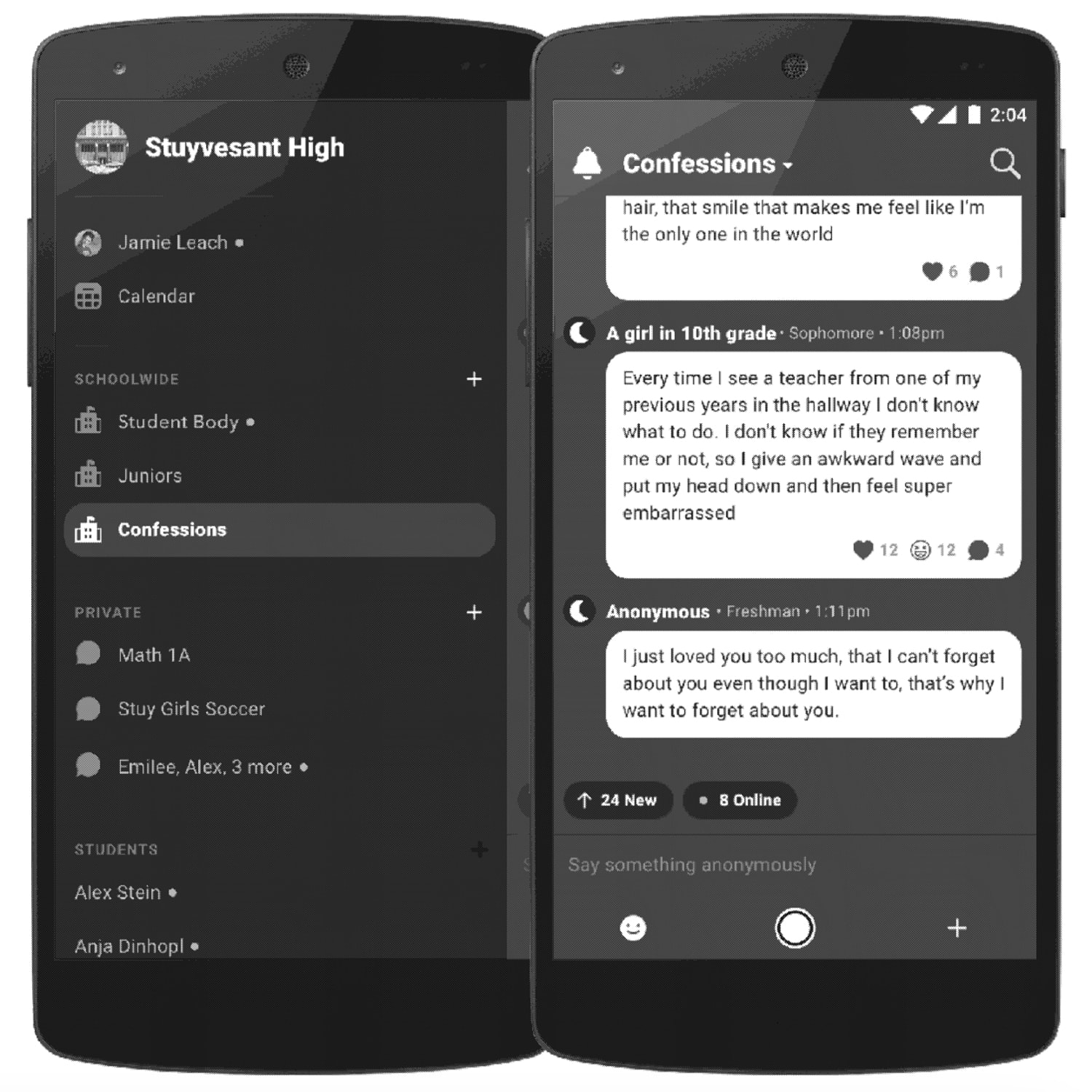

In 2018, as Facebook sought to expand its global footprint, the company considered launching a separate app for teens called Bell, which would have been built around their high schools, offering forums where students could discuss sports teams, school events or what they overheard in the hallway, a new court filing shows.
The company intended for Bell to become a central hub for teens within high schools across the United States and eventually across the world, where they could communicate with their classmates but not anyone outside their school. The strategy was to draw teens into the company’s ecosystem and then move them onto the regular Facebook platform once they graduated, according to a partially redacted April 2018 internal presentation, which was filed in federal court last week.
“High School communication is important to teens and important for us to win,” the presentation stated.
Although the Bell app never launched, the internal plans demonstrate the importance that Facebook had placed on “winning” users before they turned 18, laying groundwork to keep them on the products over the long term.
Do you have a story to share about technology in education? Contact reporter Tyler Kingkade
A spokesperson for Meta, Facebook’s parent company, said the app was developed as an early exploratory idea, and it would have relied heavily on Facebook moderation teams to police the content. The spokesperson did not respond to a question about why the app never launched.
Plans for Bell were included among a large batch of exhibits filed late Friday by the plaintiffs as part of a sprawling lawsuit against the largest social media companies, including Meta. Hundreds of individual families, school districts and 33 state attorneys general accuse Meta, Google, ByteDance and Snap of designing addictive social media products and promoting them to minors, despite knowing about research showing harm to children’s mental health.
“The social media addiction trials are providing a look behind the curtain and are proving that the status quo was even worse than we imagined,” said Sacha Haworth, executive director of the Tech Oversight Project, a nonprofit advocacy group pushing for more regulation of digital technology companies. “We simply have to do more to protect kids.”
Meta and the other companies have broadly argued that there is no conclusively established link between social media use and mental health problems, and the platforms did not have a duty to warn the public about potential dangers.
“We strongly disagree with these allegations and are confident the evidence will show our longstanding commitment to supporting young people,” Meta said in a statement. “For over a decade, we’ve listened to parents, worked with experts and law enforcement, and conducted in-depth research to understand the issues that matter most.”
Meta CEO Mark Zuckerberg argued last week in a Los Angeles courtroom that people stay on the company’s platforms because they find them helpful in communicating with peers. Meta has developed better age detection systems over the years, the company says, in an attempt to stop children under 13 from accessing its platforms.
A Meta spokesperson pointed to features on its new Teen Accounts that are intended to give parents more control over their children’s social media use, and encourage young users to take breaks and pause notifications overnight.
Meta has considered launching platforms aimed at children over the past decade. It paused plans to create a version of Instagram for children under age 13 in 2021 following pushback from parent safety groups. It also considered building a version of Facebook for children in 2017, but decided against it after parents reportedly provided negative feedback.
Facebook’s 2018 presentation on Bell shows how teen users would have been able to message anyone in their school, organize events on the platform and create class or club-based group chats similar to the apps Discord and Slack. Students also would have been able to post anonymous confessions, similar to the app YikYak, and Bell would have integrated with education technology products, such as Google Classroom.
Once teens graduated from high school, according to the internal presentation, Bell would have provided “a smooth on-ramp” for them to import their information to Facebook. The data that Bell collected on students would later influence what showed up in their Facebook feeds.
The internal presentation cited surveys of high school students who identified their “must haves” in a social media app: communicating with classmates, watching videos and memes created by students and staying in the loop on happenings at their high school. Some of this already occurred on Facebook Groups and Messenger, and on Snapchat, but the company saw an opening to create a single app that “gathers everyone at school into one closed campus.”
The company hoped that the Bell app would reach 80% of U.S. high schools by the end of 2020 and expand to Australia, Canada and European countries.
Late last year, Australia enacted a ban on children under 16 from using social media.
all what you need to know about Facebook designed an app for teens called Bell but never launched it, court records reveal
🔍read more here :
USA news and travel
📌